0 Likes
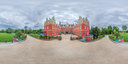
Panorama photographed in Davos in an area, Davos Kurort, where these buildings were probably once sanatoriums. Davos owes its original importance to its healing climate, which has been known for about 150 years.
Davos became a spa resort in 1853 and is associated with the name of Alexander Spengler, who recognised the healing effects of the Davos climate and made its healing properties known. The German doctor Alexander Spengler developed a treatment for lung patients, which mainly involved sleeping a lot on the sunny terraces of Davos and drinking Veltliner wine. This method made Davos world famous and was also immortalised in Thomas Mann's 1924 novel “The Magic Mountain”.
Alexander Spengler's merit was to have seen the great future potential of Davos. Alexander Spengler, together with Willem Jan Holsboer, built the Spengler-Holsboer health resort in 1868.
The latter was also largely responsible for the construction of the railway line from Landquart to Davos in 1890. This was the beginning of a new development. Hotels, guesthouses, sanatoriums and villas sprang up.
In addition to Thomas Mann, numerous other writers, artists and philosophers travelled to Davos. They brought their own culture, made the spa town famous through their works or initiated the sports, event and cultural offerings that are now a matter of routine.
https://www.gemeindedavos.ch/zahlenfakten/47357 https://www.davos.ch/informieren/portrait-image/davos
Panorama fotografado em Davos numa zona, Davos Kurort, onde possivelmente, estes edifícos já foram sanatórios. Davos deve a sua importância original ao seu clima curativo, conhecido há cerca de 150 anos.
Davos tornou-se, apartir de 1853, numa estância termal, estando associada ao nome Alexander Spengler que reconheceu os efeitos curativos do clima de Davos e deu a conhecer as suas propriedades curativas. O médico alemão Alexander Spengler criou um tratamento para doentes pulmonares, que envolvia principalmente muito sono nos terraços ensolarados de Davos e vinho Veltliner. Este método tornou Davos mundialmente famoso e foi também imortalizado no romance “A Montanha Mágica”, de Thomas Mann, de 1924.
O mérito de Alexander Spengler foi ter visto o grande potencial futuro de Davos. Alexander Spengler juntamente com Willem Jan Holsboer, construiu o resort de saúde Spengler-Holsboer em 1868.
Este último foi também em grande parte responsável pela construção da linha férrea de Landquart a Davos em 1890. Este foi o início de um novo desenvolvimento. Hotéis, pensões, sanatórios e vilas surgiram.
Para além de Thomas Mann, vários outros escritores, artistas e filósofos viajaram até Davos. Trouxeram a sua própria cultura, tornaram a cidade termal famosa através das suas obras ou iniciaram as ofertas desportivas, de eventos e culturais que hoje são uma questão de rotina.
https://www.gemeindedavos.ch/zahlenfakten/47357 https://www.davos.ch/informieren/portrait-image/davos
...
Swiss canton Grisons (DE: Graubünden, IT: Grigione, FR: Grisons)