3 Likes
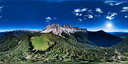
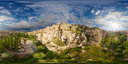
Der Erciyes Dag südlich von Kayseri ist mit 3916m der höchste Berg Mittelanatoliens. Der Erciyes ist ein erloschener Vulkan und sein Gipfel ein Zacken des ehemaligen Kraterrandes. Nach zwei Tagen mit Sandsturm, der vom Südosten der Türkei sogar über das Taurusgebirge bis nach Mittelanatolien wehte, war der Himmel selbst hier in ca. 2850m Höhe voller Staub. Am Ende des Hochtales ist die Gipfelregion des Berges gerade so zu erkennen. Bis zum Hochtal führt ein leicht zu gehender Weg, danach muss man sich den Weg selbst suchen. Das heisst, man muss über endlose Geröllhalden zum Kraterrand hinauf, und dabei immer auf von oben herabfallendes Gestein achten. Hier macht sich dann auch die dünner werdende Luft bemerkbar - und am nächsten Tag der Muskelkater.
Weitere Panoramen unter http://www.derPanoramafotograf.com
...
Cappadocia is a part of central Turkey. Eruptions of several volcanoes (e.g. Erciyes Dag, Hasan Dag) had covered the area with tuff. Erosion dug valleys and created an uncountable number of different shaped rocks. The tuff's ability to store water made the valleys much more fertile than the higher surroundings. After the arrival of the first people, they soon started to dig caves into the soft stone. By the time they developed the ability to dig cities into the underground with tunnels of several kilometers. A sophisticated pipe- and tunnel-system cared for fresh air and water, to enable the people to hide from enemies for a long time. In the 5th century hermits started to settle in the valleys and to paint their caves. In the next centuries more and more hermits and monks arrived and a rich cave-architecture with colourfull wallpaintings developed. The most famous are the churches of Goereme and the Peristrema Valley (=Ihlara Valley) between Ihlara and Selime. Today thousands of tourists from all over the world are visiting the area.